What is MND
Find support
I have MND
I am supporting someone
Get involved
Research
About MND Scotland
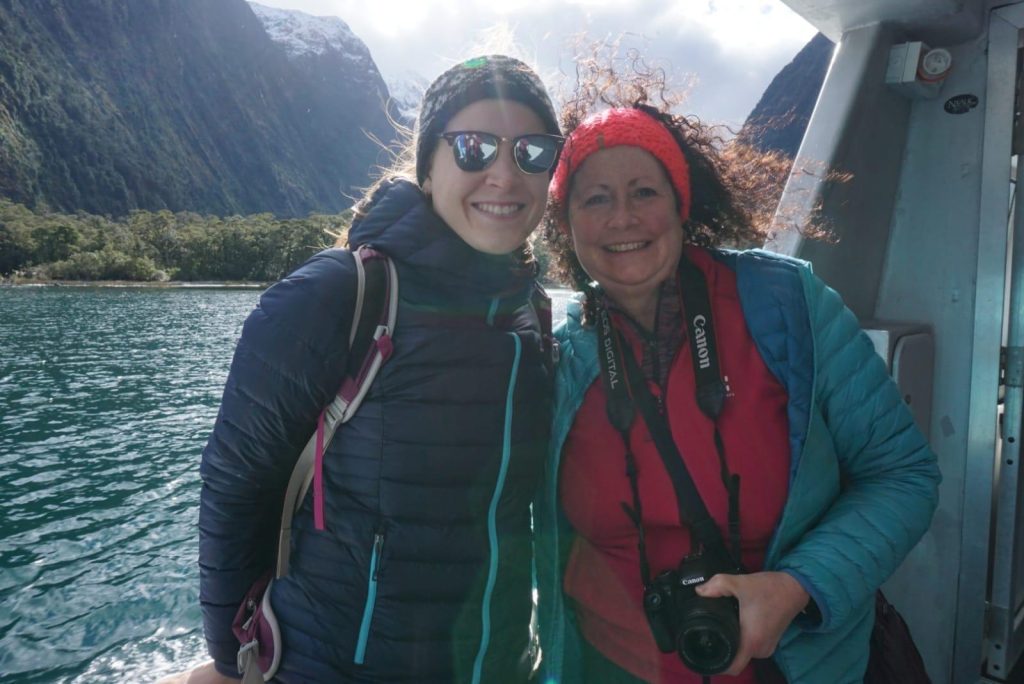
Katie Syme lost her mum Karen in October 2024 following her diagnosis of progressive bulbar palsy (PBP) – a type of MND which mainly affects the muscles of the face, throat and tongue.
About 20–25% of people living with MND are diagnosed with PBP. The average life expectancy for someone diagnosed with PBP can be as little as six months from the onset of symptoms.
Katie describes how her mum’s diagnosis changed everything, “I’d gone from working as a physiotherapist and enjoying the typical lifestyle of someone in their early 30s, to also being a secondary carer for my mum – My Dad was her primary carer. It was really difficult trying to balance work and support at home, along with feeling the grief of watching her deteriorate and wanting to spend time with her and make memories. All of our lives were completely flipped around.”
Despite her clinical background, nothing prepared Katie for how quickly the end of the disease would advance, “My mum lost her speech and her ability to swallow first. She then lost her mobility in the later stages.”
Katie recalls how her initial symptoms were changes in her mum’s speech, which then progressed to her having difficulty swallowing pills. “My mum said that her speech was slurred and never felt normal after having Bell’s Palsy. We are unsure whether these symptoms were related, or coincidence. It took a few trips to her doctor before she was referred to neurology. Mum knew something wasn’t right, but it took some time for her speech issues to be more noticeable to others.”
Katie highlights her mother’s experience of NHS waiting times, “A neurology appointment on the NHS waiting list is far too long. It can be up to a year in some trusts for even an urgent appointment.
“My parents were fortunate to be in a position to pay for a private consultation in Edinburgh, so they travelled from Inverness for this.”
The neurologist recognised the seriousness of the case: “They told us that they thought my mum likely had a progressive neurological condition. They said they would write to the NHS neurology team, and escalate her to get the appropriate investigations as soon as possible. And that’s what happened.”
Katie attended MND Scotland’s LEARN (Lived Experience and Research Network) event which helped her to understand the importance and impact of investment into MND research, “There’s no cure. It can take 12 months to even reach a diagnosis of MND, and this timescale hasn’t changed in over 50 years. There has only been one medication found in the past few decades, Riluzole, that might help slow the disease by only 2-3 months.”
“You see the drive to finding a cure in the researchers when you speak to them. They’ve managed to fast‑track some of the medication trials, and there’s some hope, but there is no cure or effective treatment. It is also difficult to find a cure without knowing what causes MND.”
Katie’s personal experience, and her families medical background, is what led her to become a supporter of MND Scotland and a member of the Gordon Aikman Scholarship Advisory Panel – helping shape funding decisions for vital MND research.
Established in 2017, the Gordon Aikman Scholarship honours the late MND campaigner to help fund research and developments into improving care and support for people living with MND.
The scholarship scheme, jointly funded by MND Scotland and the Scottish Government, is for clinical researchers and healthcare workers in NHS Scotland or Scottish Higher Education Institutions to develop practical improvements in the way people with MND are cared for.
On joining the Gordon Aikman Advisory Panel, Katie said, “People living with MND need help now, with personal care, home adaptations, support equipment – such as neck supports – and medical equipment. My mum had symptoms for about three years before she died. Some people have less time than that.”
Katie added, “The Gordon Aikman Scholarship provides research that helps people right now, rather than something that would hopefully help people in years to come. Currently a lot of funding goes towards medical research in finding a cause and cure, but we need to remember it is important to fund improving current care and equipment for those living with MND presently. We thoroughly review and analyse research proposals multiple times before meeting for a final time to decide where the grant would be going.”
Katie’s experiences supporting her mum and additional NHS background positioned Katie as a lived experience expert on the panel, alongside clinicians, healthcare professionals, and Scottish Government representatives.
Together, they evaluated which research proposals would have the greatest impact on people affected by MND through improving care and service provision.
One example of a project funded through the Gordon Aikman Scholarship is ‘The Aikman Future Care Plan,’ developed by Louise Gardiner, a MND clinical nurse specialist working for NHS Fife, who now hopes the care plan will be adopted other Health Boards in Scotland. Louise was awarded over £24,000 in 2022 to undertake her work: https://mndscotland.org.uk/news/gordon-aikman-scholarship-develops-mnd-specific-future-care-plan/
Dr Megan Bolton, from NHS Greater Glasgow and Clyde, has also received £16,000 as part of the 2025 Gordon Aikman Scholarship to fund her research into the delivery of environmental controls across Scotland: https://mndscotland.org.uk/news/dr-megan-bolton/
Dr Jane Haley MBE, Interim CEO of MND Scotland said, “MND Scotland is proud to partner with the Scottish Government to co-fund the Gordon Aikman Scholarships and also our Clinical Fellowship, which is co-funded with the Chief Scientist Office of Scotland. These are good examples of how the government can help charities make their funds go further. We are now calling on the next government to recognise the value of research, and the urgency of the need for conditions such as MND, and provide more funding for research into this condition.”
Many people living with complex and rare neurological conditions like MND rely on advances in medical research to help improve treatments, quality of life, and ultimately, find a cure. However, this area is often underfunded.
Estimates suggest that the Scottish Government invests a third less per head of the population on medical research than the UK government does in England.
Charities, like MND Scotland, help to bridge the gap but the third sector faces its own increasing financial pressure.
Universities and research institutions are making substantial staffing cuts, which affects research. Short-term research funding also results in skilled professionals leaving the field or moving on to better‑funded and stable areas, sometimes in other countries.
Katie is clear about what she wants decision makers to understand, “There are some very difficult medical conditions out there, and all of them deserve funding and access to treatment. But MND in particular is incredibly cruel. There is no effective treatment and no cure. Watching a loved one go through it breaks you, and from the moment of diagnosis, you know how it ends. People with MND can lose the ability to speak, swallow, move, communicate well, and ultimately lose the ability to breathe.”
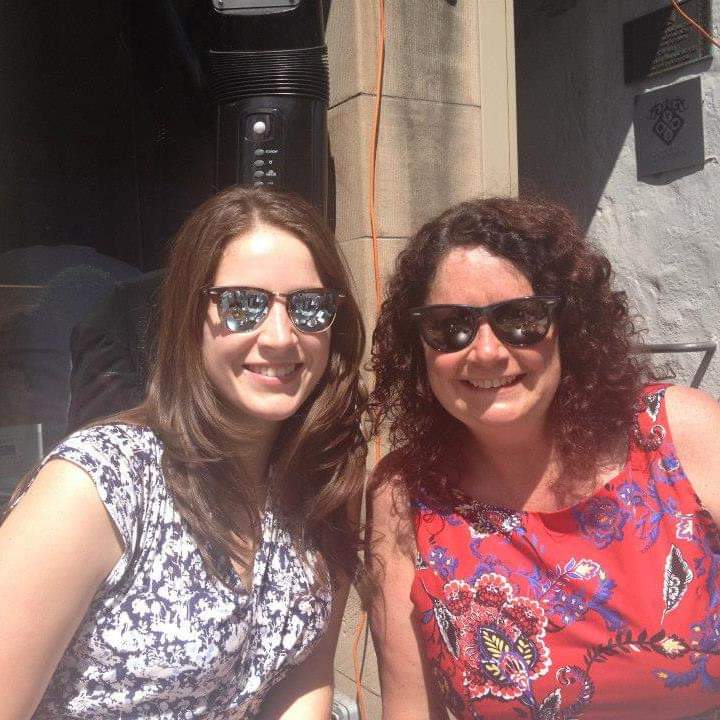
“There aren’t many illnesses that can affect you as severely as MND and give you that sort of lifespan after diagnosis.”
Ahead of the Scottish Parliament Elections in May 2026, MND Scotland has appealed to the next Scottish Government to legislate and recognise the urgent statutory rights and needs of those with terminal illnesses like motor neuron disease.
The charity is calling on the next government to deliver: invested in, and fast-tracked, housing and adaptations; fast- tracked social care; and increased, targeted funding for neuro-progressive conditions.
Katie noted that due to current healthcare pressures, there can be long waits for house adaptations and equipment provision. “People living with MND can deteriorate quickly, and unfortunately by the time some equipment is provided, the person’s mobility or symptoms have changed again, and the equipment is no longer suitable or needs re-assessed. I have heard some stories where the person has passed away before the adaptations could be carried out.”
Katie added, “It’s a difficult condition to understand until you see it firsthand. The decision-makers should really speak to people affected by or living with MND. Unless it’s a direct family member or loved one, you really don’t understand how difficult it is.”
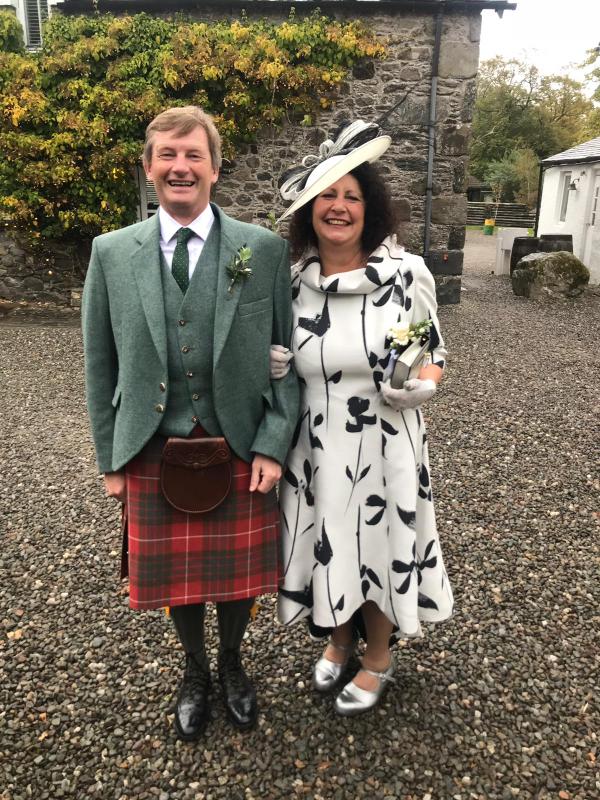
“I hope my story creates more awareness of the challenges faced by those living with MND and those caring for someone with MND. Increased awareness and funding will hopefully lead to more funding, and eventually one day a cure.”
MND Scotland would like to thank Katie for bravely sharing her story.
To read MND Scotland’s 2026 Manifesto, please click here.
To read and sign our open letter, please click here.