What is MND
Find support
I have MND
I am supporting someone
Get involved
All events
© MND Scotland 2026
Research
About MND Scotland
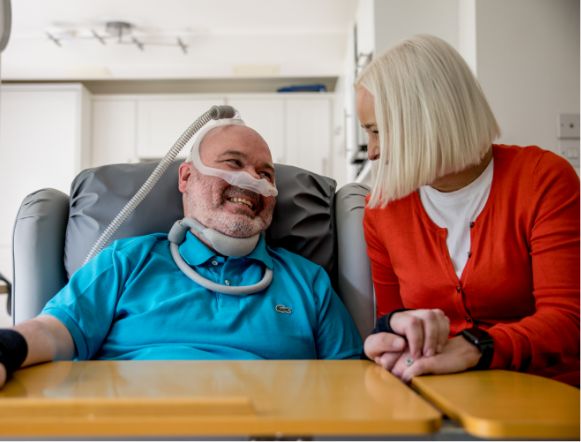
MND is a rapidly progressing terminal neurological illness, which stops signals from the brain reaching the muscles. This causes muscle weakness and wasting. MND can rob someone of the ability to walk, talk, swallow and breathe.
At present, diagnosis usually happens once symptoms are well established, leaving limited options for intervention. By looking for signs of disease before symptoms begin, researchers hope to develop tools that support early intervention and more personalised care.
This PhD study will focus on TDP-43 proteinopathy – a well-recognised hallmark of MND. Although this protein build-up is commonly studied in the brain, it is increasingly thought that changes may also appear in other parts of the body, such as the gut, before neurological symptoms become obvious.
Using advanced deep learning models, Marta and her team will analyse images of gut tissue alongside clinical data to:
This approach could provide valuable insights into how MND develops, as well as whether gut tissue might hold reliable early biomarkers of the condition.
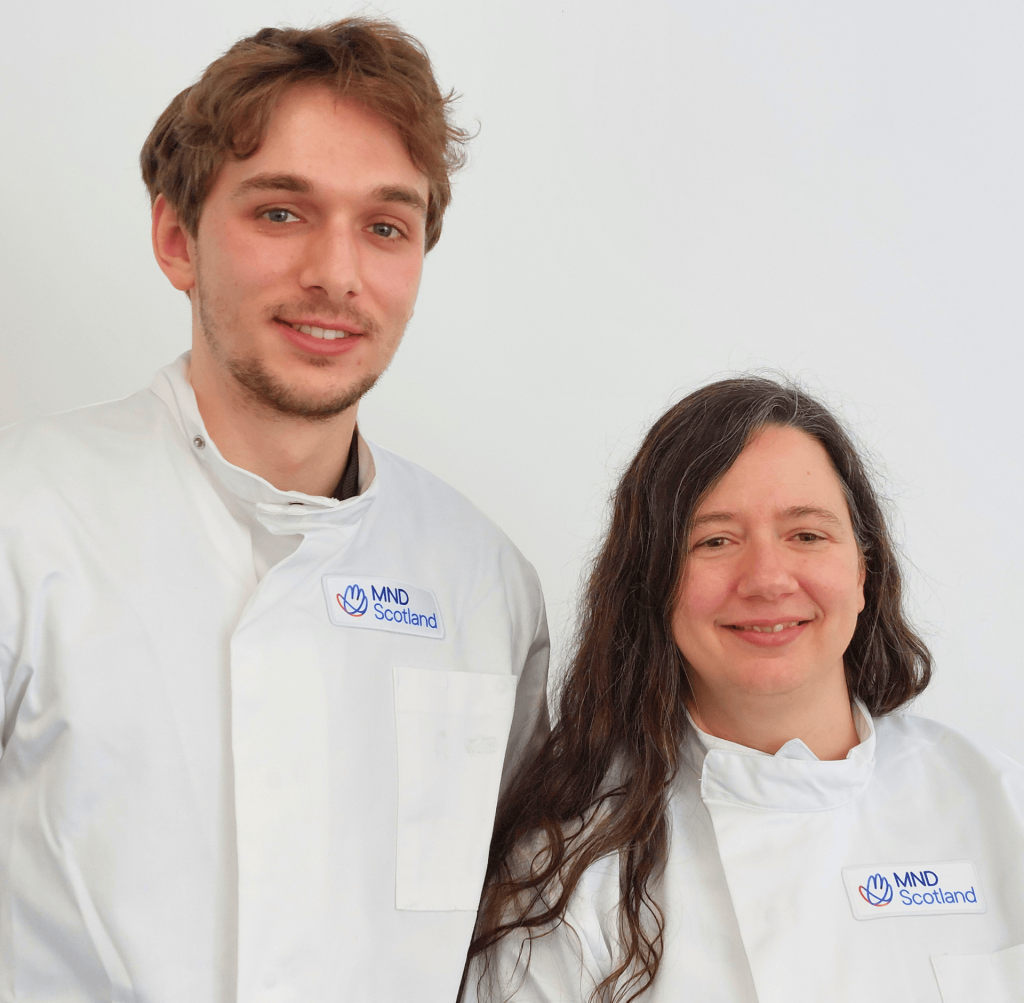
The student working with Marta on the project is Lukas Jurcaga. Lukas has a background in Computer Science, with his recent work centred on developing methods that use data to tackle real-world challenges.
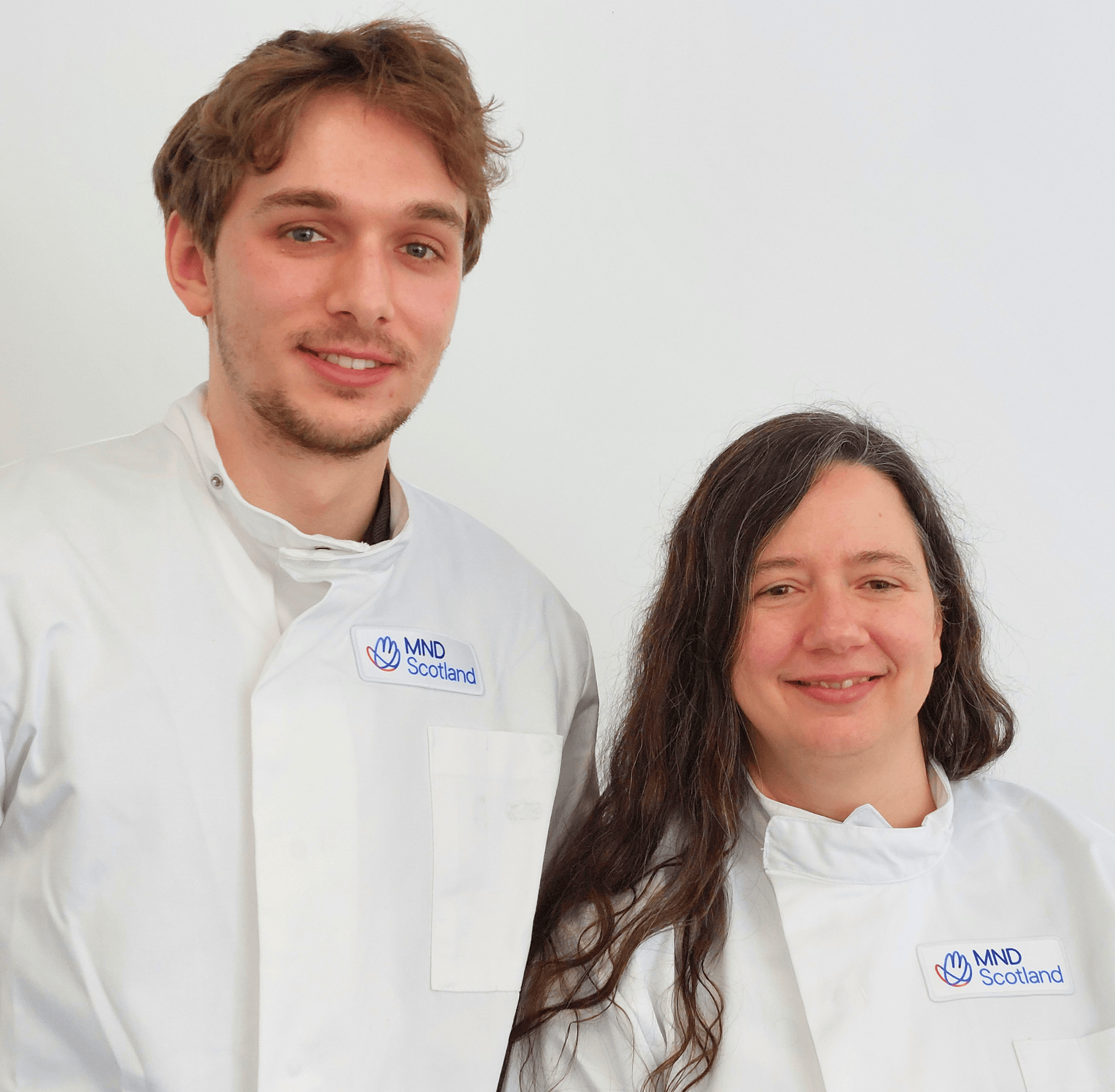
On the PhD project, Lukas said “I became involved in Marta’s project through my interest in applying these approaches to healthcare, particularly in the area of neurodegenerative diseases. I am excited to contribute to research that not only deepens our understanding of MND but also has the potential to improve how the condition is diagnosed and treated in the future.”
Earlier detection of MND could allow doctors to monitor people more closely, offer proactive care, and tailor treatment strategies to individual needs. While this project is at a research stage, it aims to lay the groundwork for future tools that could support clinicians in identifying people at risk before symptoms of the disease appear.
The studentship will also contribute to training the next generation of researchers, building expertise in both neurodegenerative disease and the use of artificial intelligence in healthcare.
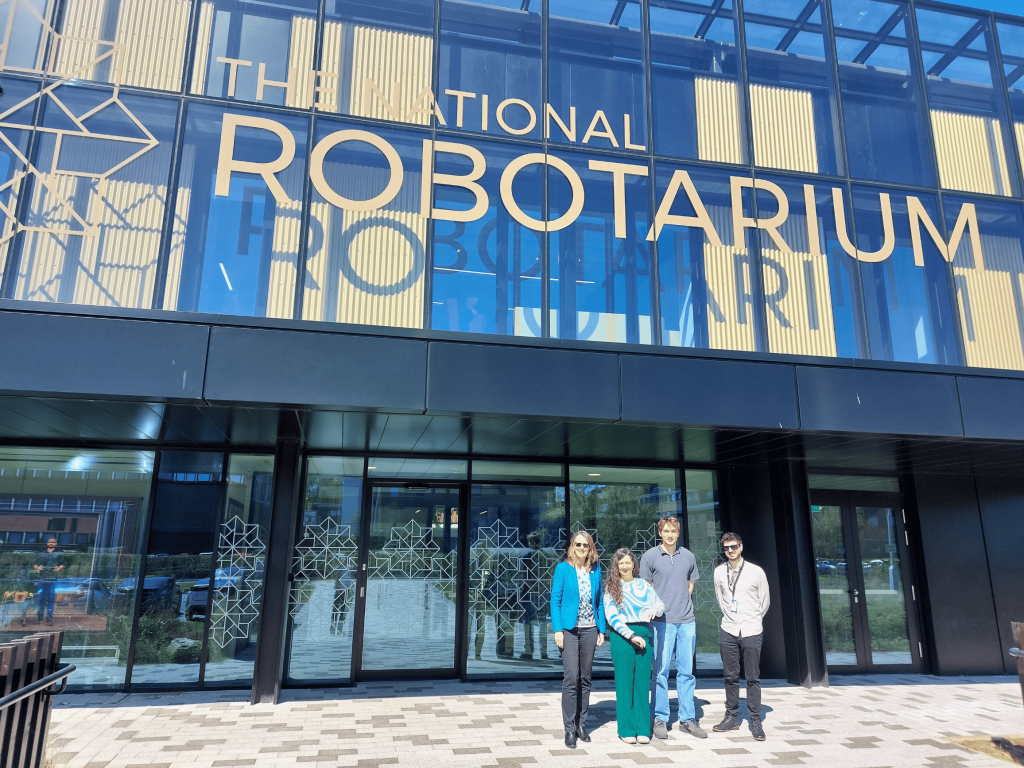
“We are proud to work with LifeArc to fund this innovative research into identifying earlier markers, and potentially earlier diagnosis, of MND. A very warm welcome to Dr Marta Vallejo as she and her student Lukas Jurcaga undertake this important PhD work. MND is a brutal disease that can take months, or even years, to diagnose, and being able to identify the disease earlier will hopefully lead to new and effective treatments.”
“I am delighted to begin this project with MND Scotland and LifeArc. My motivation is to make a difference for people affected by MND. Earlier detection could give patients and their families more time, more options, and more hope. I am excited to work alongside my PhD student and our clinical collaborators to move closer to that goal”.