What is MND
Find support
I have MND
I am supporting someone
Get involved
Research
About MND Scotland

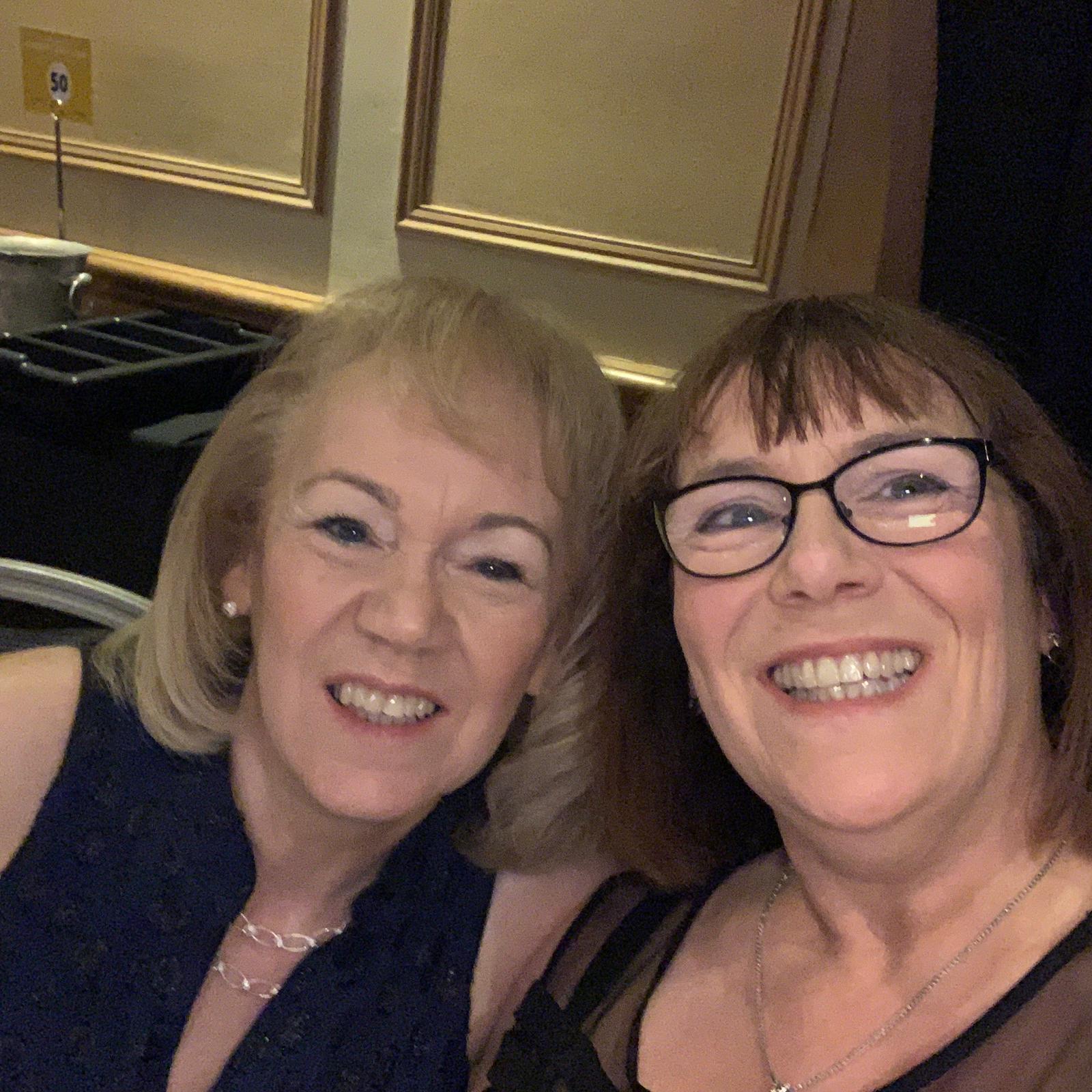
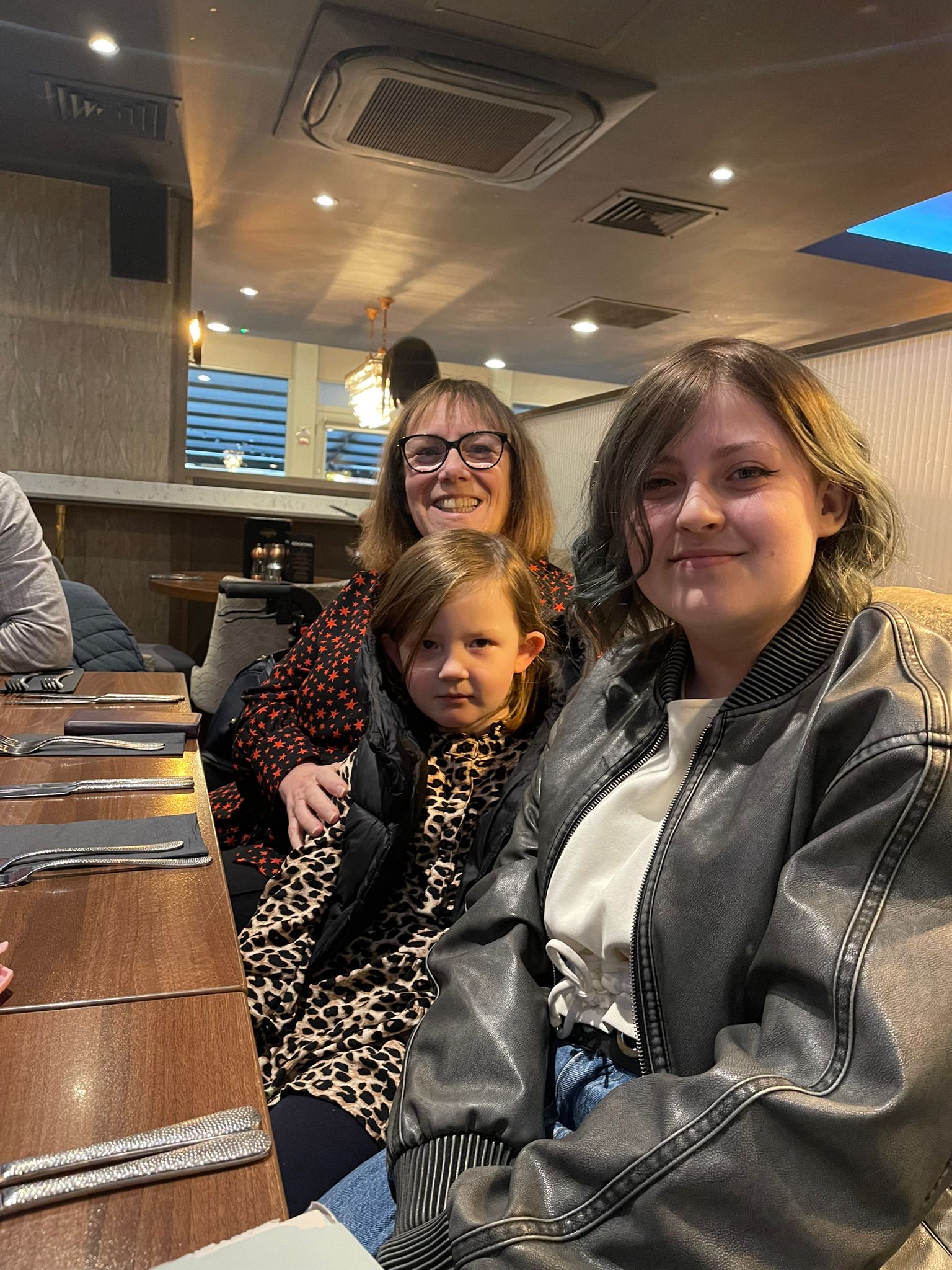
Mags, a much‑loved mother, gran, sister and friend, died on 5 November 2024, eleven months after being diagnosed with MND.
MND is a rapidly progressing terminal illness which stops signals from the brain from reaching the muscles. This may cause someone to lose the ability to walk, talk, eat, drink, or breathe.
“She was incredible,” Jade said. “As far as mother‑in‑laws go, I hit the jackpot. She walked into a room and people lit up. She was loud, funny, generous, and she would still put you in your place if you needed it! She was a real presence.”
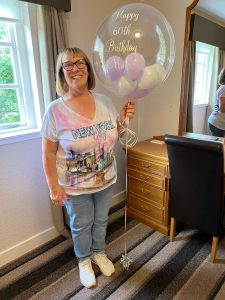
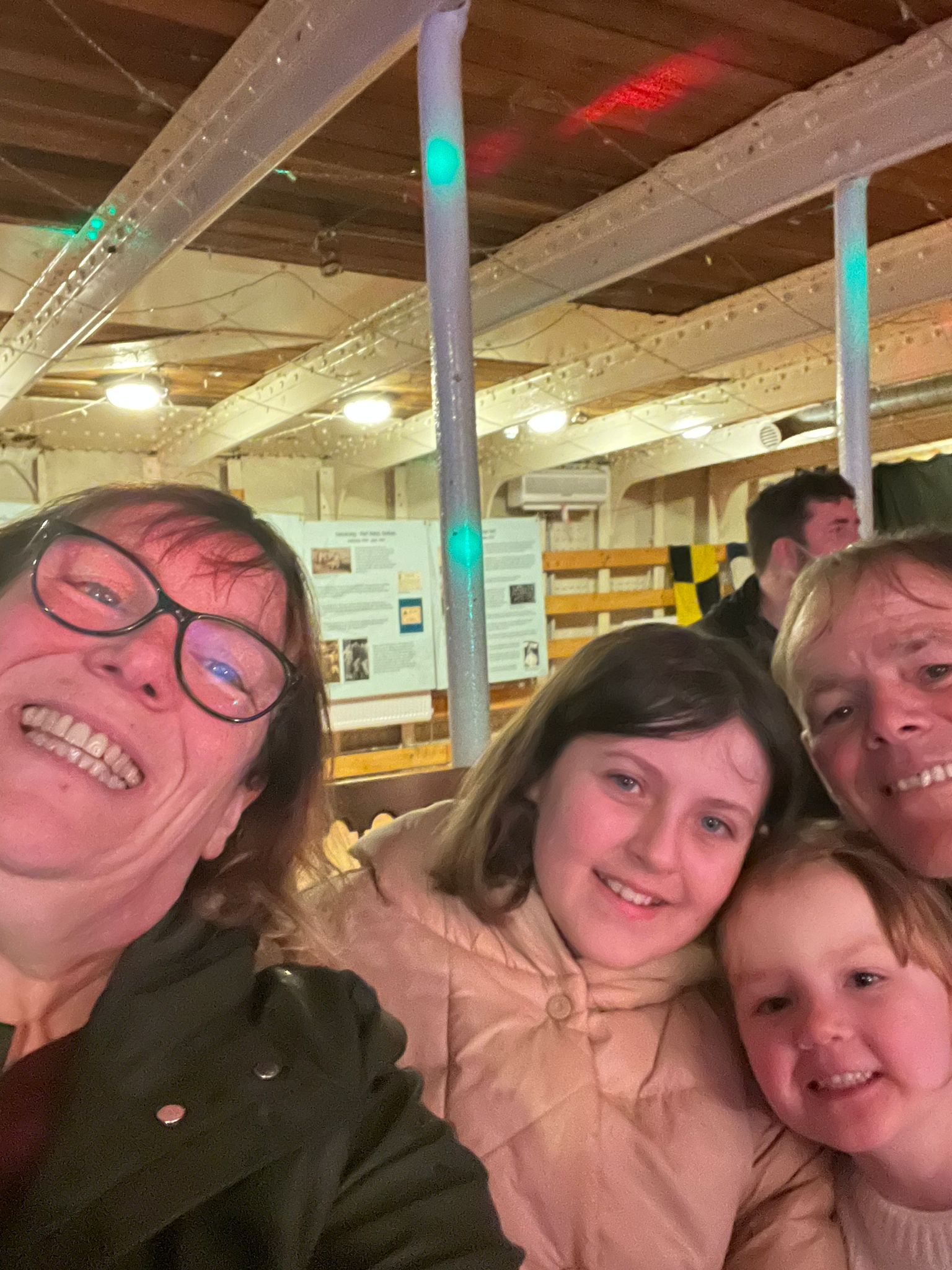
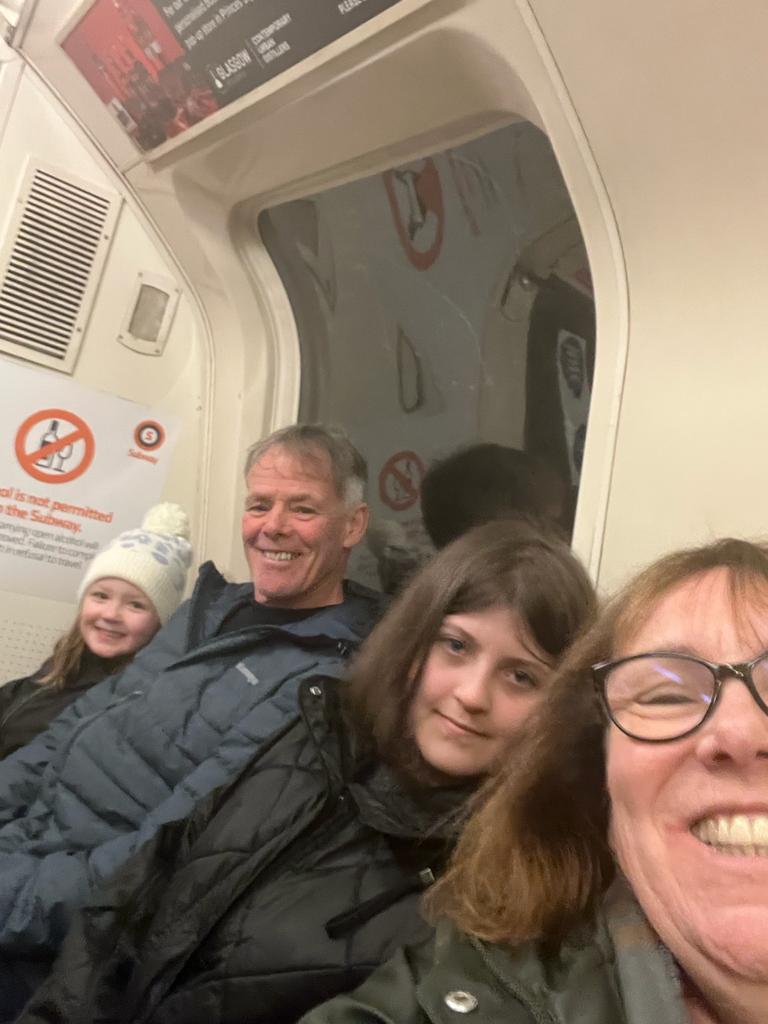
Born and raised in Drumchapel, Mags built a career in HR, most recently working at the University of the West of Scotland. She was the matriarch of her family, and devoted to her son Christopher, her husband Fred, and especially to her grandchildren, who she picked up from school and spent weekends with.
Speaking about Mags, she said, “She came into the salon one day and had to physically lift her leg to climb the stairs. That was the moment I thought, something wasn’t right.”
Mags’ condition deteriorated quickly after her diagnosis. Within months she needed to use a wheelchair and required home adaptations to help assist her. Her speech was the last thing to be affected.
Jade recalls how the disease was devastating for the whole family, “MND takes your dignity piece by piece,” she said. “Watching someone you love go through that is something you never forget.”
As her condition worsened, Mags made the decision not to have a feeding tube, choosing to remain in control of her final months.
“She wanted to make her own decisions, and we all respected that,” Jade said.
One of Jade’s last memories is holding Mags’ hand as she quietly told her she was ready to go. Jade said, “That will stay with me forever.”
The average life expectancy of someone with MND is just 18 months from diagnosis.
There is no cure or meaningful treatments. When it comes to MND, on average, approximately 60% of people diagnosed are men, while 40% are women.
After Mags died, Jade knew she wanted to honour her by raising awareness of MND – especially how it affects women.

“All the big stories are about men – sportsmen, famous names,” she said. “But it affects women too, and often very differently. Women’s voices need to be heard.”
Jade hopes to volunteer her skills as a professional hairdresser to support women living with MND, “Hair is part of your identity. When you lose so much, being able to keep your hair the way you like it can give you dignity. I’d love to help make that possible for women going through this.”
Since being established in 1981, MND Scotland has been the leading motor neuron disease charity dedicated to directly supporting people in Scotland with MND, their families and friends, whilst also funding vital MND research.
Jade says MND Scotland’s support made a meaningful difference: “When you get news like that, you don’t know where to start. The support from MND Scotland was amazing, and I want to make sure other families get that same support.”
Dr Jane Haley MBE, Interim CEO of MND Scotland said, “We are so grateful to Jade for sharing Mags’ story. It’s stories like hers that help us raise important awareness about the impact of this brutal disease and also highlights that women are affected as well as men.
“This is a significant year for MND Scotland as it marks our 45th anniversary. We continue to put people affected by MND at the heart of our mission to support people affected by this brutal condition and find effective treatments and a cure. We need supporters like Jade more than ever to help make time count for families across Scotland.”
MND Scotland would like to thank Jade for her continued support and sharing her story. If you or a family member has been diagnosed with motor neuron disease, MND Scotland can help make time count. To find out more, visit www.mndscotland.org.uk.
Or you can speak to our support team by calling: 0141 332 3903, or emailing: support@mndscotland.org.uk.