What is MND
Find support
I have MND
I am supporting someone
Get involved
Research
About MND Scotland
Motor Neuron Disease (MND) is a progressive disease affecting motor neurons and can also affect other neurons in the brain. Changes in brain neurons can result in changes in executive functions such as attention, organisation, problem solving, social awareness, language functions such as word finding and behaviour such as apathy. Differences like these are present in up to 50% of people living with MND, up to 35% having mild changes, and up to 15% showing frontotemporal dementia (FTD) symptoms. This can affect decision-making.
In total, 56 people living with MND participated in the study. They all completed a researcher-led interview (either online or in person) where they were to imagine making a medical decision about a feeding tube. They completed this interview both with and without support and the results were compared.
The study found that without support over half of the patients (57%) were able to pass an assessment over making a medical decision about a feeding tube, problems with executive functions were related to 24 patients (43%) performing less well in the interview:
The researchers developed specific support strategies that were implemented during the interviews. These strategies helped to improve understanding and reasoning related to medical decisions, leading to the huge leap in assessed capacity with 96% passing the assessment.
These support strategies included:
When making decisions about their own health, it is important that people living with MND are properly supported in making the choices they want. These findings demonstrate the benefits of using support strategies for people living with MND and helping them make their own care decisions. This allows for improved quality of life and independence for people living with MND. Prof Abrahams hopes that the findings in this study will help shape future guidelines of practice regarding supporting people living with MND with aspects of their care. Sharon and her research team are currently looking into the interviews conducted and identifying the specific answers given, hoping to increase their understanding of why some people gave certain responses.
MND Scotland is proud to have supported Professor Abrahams and Dr Contreras in their research. This research will have a direct impact for the MND community by helping to shape future guidelines. MND Scotland understands the importance of research that demonstrates how people with MND can be supported in making informed decisions for themselves through their MND journey.
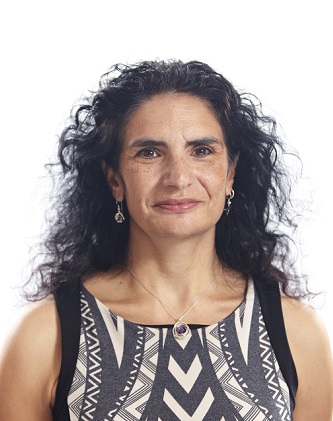
Prof Sharon Abrahams said: “The study showed that almost all people with MND can make their own decisions about their healthcare effectively with support from their healthcare team. We hope this will be reassuring to all people with lived experience of the disease. We thank the MND Scotland for supporting this work.”
Sign up
for newsletter
Get the latest news and events straight to your inbox.
You can help create a world without MND
Please consider donating to help make time count for people affected by MND.